In the sweltering Tampa summers, proper roof ventilation is more than just a comfort-it's a health and safety necessity. The problem lies in the fact that many homeowners don't fully grasp the intricate dance between roofing, air quality, and energy efficiency. This is where local Tampa roofers step in, sharing their secrets for successful ventilation installation.
This article examines the practical, regulatory, and innovative aspects of Tampa roof ventilation, providing expert advice for both DIY enthusiasts and those relying on professional installation. We'll explore proven systems, checklists for maintenance, and the latest building code innovations that ensure your Tampa home stays cool and comfortable.
- Understanding Tampa Roof Ventilation Needs
- Assessing Your Roof for Optimal Ventilation
- Choosing the Right Ventilation System for Tampa
- Step-by-Step: Installing Roof Ventilation in Tampa
- Best Practices for Effective Tampa Roof Ventilation
- Common Mistakes to Avoid in Tampa Ventilation Installations
- Maintenance Tips for Long-Lasting Tampa Roof Ventilation
- The Impact of Quality Ventilation on Tampa Roofs
Understanding Tampa Roof Ventilation Needs
For Tampa roof ventilation, understanding the unique needs of this region is key. The hot, humid summers in Tampa demand effective ventilation systems to ensure not only the structural integrity of homes but also the comfort and health of their occupants. Trusted Tampa roof vent specialists often emphasize the importance of tailored ventilation solutions. Every Tampa home is different, with varying roof shapes, sizes, and levels of insulation, so a one-size-fits-all approach rarely delivers optimal results.
A trusted Tampa roof vent specialist will conduct a thorough assessment, taking into account factors like the direction and pitch of the roof, local wind patterns, and the home's overall energy efficiency. This detailed evaluation allows them to recommend the most suitable ventilation system, whether it's a simple roof vent, a more complex ridge vent, or a combined system that incorporates soffit and fascia vents. A homeowner with a metal roof might benefit from a ridge vent setup, while a house with a steep slope could require a more diverse ventilation strategy.
Compliance with local building codes is another critical aspect. The Tampa area has specific guidelines for roof ventilation, ensuring buildings maintain adequate air quality and preventing issues like mold growth. A comprehensive Tampa roof ventilation compliance guide is essential for both homeowners and contractors to navigate these regulations. By adhering to these standards, Tampa residents can ensure their roofs are not only well-ventilated but also meet safety and health requirements, ultimately extending the life of their homes.
Assessing Your Roof for Optimal Ventilation

When assessing your Tampa roof for optimal ventilation, it's crucial to consider both the structural integrity of your current system and the broader environmental conditions. In Tampa, where hot summers can be brutal, adequate ventilation is more than just a comfort issue; it's a matter of indoor air quality and potentially energy efficiency. Start by examining the age and condition of your existing vents. Certified roof ventilation contractors in Tampa often recommend periodic inspections, similar to emergency roof vent repair checks, to ensure they're functioning correctly. Look for signs of damage, corrosion, or blockage, as these can significantly impact airflow.
One practical tip is to check the direction of your roof vents. In Tampa, where the sun can be intense, strategic placement is key. Vents should be facing away from the sun during the hottest parts of the day to prevent excessive heat gain. Ensure that vents leading into your attic or roof space are properly sealed to avoid leaks and improve energy efficiency. This is a key aspect of Tampa roof ventilation maintenance that many homeowners overlook.
A certified contractor might suggest adding a ridge vent along the peak of your roof, which is a common solution for homes in Tampa. This type of vent runs the length of the roof and allows for continuous air flow, helping to reduce heat buildup. Conversely, if your vents are blocked by trees or neighboring structures, consider removing obstructions to optimize airflow. Regular ventilation maintenance, such as cleaning or replacing filters, is also vital for maintaining indoor air quality and preventing moisture buildup, a common issue in Tampa's humid climate.
Choosing the Right Ventilation System for Tampa
For choosing the right ventilation system for a Tampa home, selecting the appropriate solution is crucial for maintaining optimal air quality, especially during the hot summers. Trusted Tampa roof vent specialists emphasize that the key lies in understanding the unique needs of each property. The most popular and top-rated Tampa roof ventilators are designed to address specific challenges, such as heat buildup and moisture accumulation, which are common issues in the local climate.
These specialists recommend a comprehensive assessment of your Tampa home's roof structure, including an inspection of existing vents and an evaluation of the overall ventilation needs. A detailed checklist may include the type of roofing material, the presence of insulation, and the overall square footage of the attic space. Based on these factors, the right ventilation system can be tailored to ensure efficient air circulation, preventing the accumulation of hot, stale air and associated moisture problems.
Local roofers often suggest a combination of roof vents, such as ridge vents and soffit vents, strategically placed to maximize airflow. They highlight the importance of proper installation, noting that a trusted, licensed contractor will ensure the system is sealed and functional, meeting local building codes and regulations. By following these expert recommendations and choosing the right ventilation system, Tampa homeowners can enjoy improved indoor air quality, enhanced comfort, and a well-maintained roof throughout the year.
Step-by-Step: Installing Roof Ventilation in Tampa
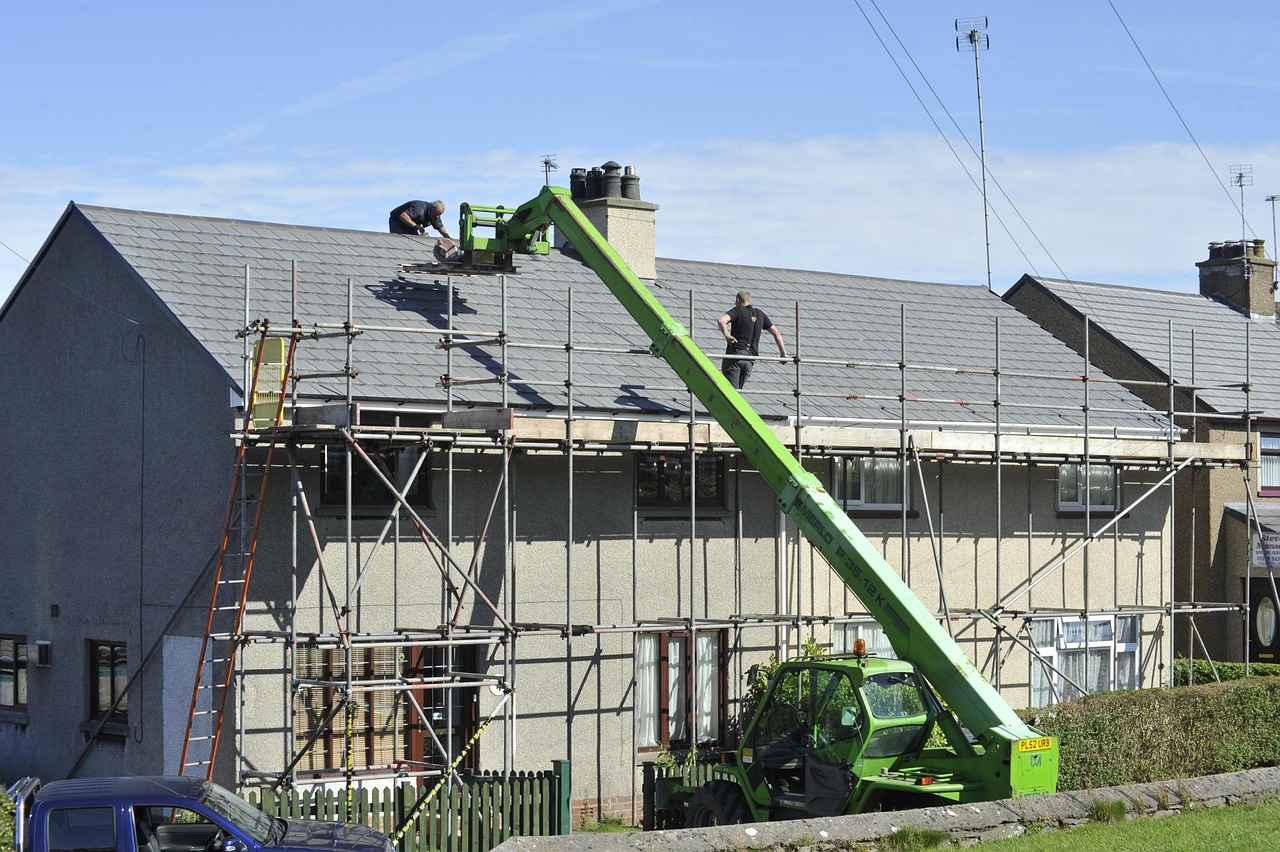
Installing roof ventilation in a Tampa home is a crucial step to ensure optimal air quality and mitigate the effects of hot summers. The process involves careful planning and execution to ensure the system functions efficiently and effectively. Here's a step-by-step guide from local Tampa roofers who share their secrets for successful ventilation installation.
First, assess your Tampa home's specific needs. Consult building codes and consider the size and shape of your roof. Determine the best locations for vents, taking into account wind direction and potential debris accumulation. Once the plan is in place, it's time to gather the necessary materials, including high-quality vents, underlayment, and flashing. Ensure these components are suitable for Tampa's climate and approved for local building codes.
The installation process begins by preparing the roof surface. Remove any existing debris and clean the area thoroughly. Install the underlayment, ensuring it's securely fastened and sealed. Next, position the roof vents at the planned locations, ensuring they are properly aligned and sealed. Use appropriate tools and techniques to fasten the vents, following the manufacturer's instructions for optimal performance. After installing the vents, apply flashing around the vent openings to create a water-tight seal, protecting against leaks.
Regular maintenance is key to keeping your Tampa roof ventilation system running smoothly. Check for any signs of damage or wear and tear, especially after severe weather events. Inspect the vents, underlayment, and flashing for any loose connections or tears. Cleaning the vents regularly can also improve airflow and energy efficiency. Remember, affordable Tampa roof ventilation doesn't have to compromise quality; nearby roof ventilation services in Tampa can provide expert advice and professional installation to meet your specific needs.
Best Practices for Effective Tampa Roof Ventilation

For maintaining a comfortable and energy-efficient Tampa home, especially during the hot summers, proper roof ventilation is crucial. Local roofers share their insights on best practices for effective Tampa roof ventilation, offering valuable tips for both installation and ongoing maintenance.
First, let's discuss the installation process. A well-designed roof ventilation system incorporates several key components tailored to your Tampa home's unique needs. Professional licensed roof ventilators in Tampa (like those you can find through local, reputable contractors) can help ensure your system meets building codes and is optimized for performance. The experts recommend following a structured checklist that includes proper soffit and vent placement, ensuring adequate air flow, and sealing any leaks to maintain air quality. Positioning vents at the highest point of the roof and near the ridge helps maximize airflow.
Regular maintenance is equally vital. 24/7 Tampa roof vent repair services can help catch problems early, preventing more costly damage down the line. Roofers suggest inspecting vents for debris buildup, corrosion, or damage at least twice annually. Cleaning or replacing as needed ensures your ventilation system continues to function efficiently. Remember, affordable Tampa roof ventilation doesn't have to mean sacrificing quality. Regular upkeep, combined with the right installation, can extend the life of your ventilation system and contribute to a more comfortable, energy-efficient home.
Common Mistakes to Avoid in Tampa Ventilation Installations
For Tampa roof ventilation, avoiding common mistakes is key to ensuring optimal air quality and the longevity of your Tampa home's roofing system. Many homeowners in this region overlook the importance of proper ventilation, especially in the hot summers. This can lead to a variety of issues, from mold growth to excessive energy costs for air conditioning.
One of the biggest mistakes is assuming that any ventilation system will do. Experts warn that a one-size-fits-all approach rarely works for Tampa's diverse architectural styles and climate conditions. A flat roof in Tampa requires a different ventilation solution than a pitched roof. Ignoring this can result in inadequate air circulation, causing hot spots and potential structural damage. The best approach is to consult with local flat roof ventilation experts who understand the unique challenges of Tampa's environment. They can provide tailored advice and cost-effective roof vent solutions, ensuring your home stays comfortable and well-ventilated year-round.
Another oversight is neglecting regular maintenance. Many homeowners forget to check their ventilation systems, allowing debris to accumulate and blocking the flow of fresh air. Regular cleaning and inspection are crucial, especially after severe weather events. After a hurricane, loose debris can clog vents, leading to poor air quality and increased energy bills. A simple, annual maintenance routine can catch these issues early, saving you money and preventing more serious problems. Remember, maintaining your Tampa roof ventilation system is as important as installing it.
Maintenance Tips for Long-Lasting Tampa Roof Ventilation

Maintaining your Tampa roof ventilation system is crucial for ensuring optimal air quality in your home, especially during the hot summers. Regular upkeep can extend the lifespan of your roof ventilation, preventing costly repairs. Here, local Tampa roofers share their expert insights on keeping these systems running smoothly.
A key part of maintenance involves inspecting the vents for any signs of damage, debris buildup, or blockages. Certified roof ventilation contractors in Tampa recommend performing a thorough check at least once a year. They might suggest examining the vent screens for rust or loose connections, ensuring the vents are free from leaves, branches, or other debris, and verifying that the ventilation channels are clear. Regular cleaning and trimming around the vents can significantly improve airflow.
Same-day roof vent installation in Tampa is a service many contractors offer, emphasizing the importance of prompt repairs. If you notice a problem, don't delay; quick action can prevent more serious issues. A blocked vent could lead to increased moisture buildup, causing mold growth or structural damage. Regular maintenance, including replacing worn-out components, sealing leaks, and ensuring proper alignment, ensures your Tampa roof ventilation operates efficiently and effectively.
The Impact of Quality Ventilation on Tampa Roofs
The quality of air in your Tampa home isn't just about what's inside-it starts with what's on your roof. Local Tampa roofers, with their extensive experience, highlight the significant impact of proper roof ventilation on the overall health and longevity of your property. In the sweltering Tampa summers, inadequate roof ventilation can lead to a host of issues. Hot air gets trapped, causing excessive heat buildup inside your home, which not only increases energy costs but can also put unnecessary strain on your air conditioning system. This is where nearby roof ventilation services Tampa becomes essential.
Expert roofers emphasize the importance of a well-designed ventilation system tailored to your Tampa home's unique needs. They recommend regular inspections and maintenance, offering practical tips such as checking for blockages in vents and ensuring the system is free from debris. A flat roof with poor ventilation can be a breeding ground for mold and mildew, leading to costly repairs. The roofers stress that addressing these issues early, with the help of Tampa flat roof ventilation experts, can save homeowners significant time and money in the long run.
Beyond the immediate comfort and energy savings, proper roof ventilation also plays a crucial role in complying with local building codes and innovations in sustainability. Many Tampa building codes now mandate specific ventilation standards to ensure air quality and structural integrity. By investing in quality roof ventilation, homeowners not only protect their investments but also contribute to a healthier environment. These professionals encourage homeowners to consider the long-term benefits, ensuring their Tampa roofs are well-ventilated and their homes remain comfortable and safe.
Frequently Asked Questions About Local Tampa Roofers Share Their Ventilation Installation Secrets
What is the most common type of ventilation system installed in Tampa roofs? The most prevalent ventilation system in Tampa roofs is the ridge vent, known for its effectiveness in hot, humid climates. This system is integrated into the roof's ridge line, providing efficient air flow while minimizing wind impact. Local roofers often recommend this type due to its ability to reduce heat build-up and improve energy efficiency in area homes.
How long does a typical ventilation installation take? Most ventilation installations in Tampa roofs take one to two days, depending on the size and complexity of the property. The process involves assessing the roof, selecting the appropriate system, and meticulously installing components like vents, pipes, and vents. Local roofers prioritize efficiency and quality, aiming to complete jobs promptly without sacrificing craftsmanship.
What factors should homeowners consider when choosing a ventilation system? Homeowners in Tampa should consider climate, roof design, and energy efficiency goals. The local climate's unique challenges, like high humidity, determine the best system type. Roof pitch and structure influence system compatibility. Homeowners should aim for energy-efficient solutions that align with their sustainability goals, ensuring long-term savings.
Can ventilation systems improve indoor air quality? Absolutely. Proper ventilation reduces indoor humidity, minimizing the growth of mold and mildew. By allowing fresh air to circulate, ventilation systems also help control temperature, reducing the risk of respiratory issues. Local roofers emphasize the health benefits of good ventilation, especially in areas with hot, humid weather.
What maintenance is required for ventilation systems? Minimal annual maintenance is crucial for optimal performance. This includes checking for leaks, ensuring vents are clear of debris, and inspecting gaskets for damage. Local roofers recommend periodic maintenance to catch potential issues early, ensuring the system operates efficiently for years to come.
How do local Tampa roofers ensure proper ventilation installation? Local roofers employ certified professionals who follow precise installation protocols. They use high-quality components and tools to guarantee a secure, efficient system. They adhere to local building codes and industry standards, ensuring the ventilation system meets safety and performance expectations.
As experts in Tampa roof ventilation, we've shared insights on installing, maintaining, and choosing the best systems for your home. Key takeaways include understanding local climate demands, especially during Tampa's hot summers, and adhering to building codes for optimal air quality. By assessing your roof's unique needs and following checklists for installation and maintenance, you can ensure effective ventilation. The right system, professionally installed, significantly impacts your Tampa home's comfort and the longevity of your roof. Avoid common mistakes, such as inadequate ventilation for air conditioning, and prioritize regular maintenance. These practices will not only enhance your home's comfort but also contribute to the overall health and durability of your Tampa roof.
Tampa Roof Ventilation: Expert Insights for Optimal Air Quality and Home Protection
Tampa roof ventilation is crucial for managing hot, humid summers, ensuring indoor air quality, and preventing structural issues. Trusted local specialists emphasize tailored solutions, considering roof shape, wind patterns, and energy efficiency. Compliance with local building codes is vital. Regular inspections and maintenance, including cleaning vents and checking for damage, extend system lifespan. Expert advice from nearby roof ventilation services Tampa guides homeowners in maintaining comfortable, energy-efficient homes while adhering to safety and health standards.