
In today's modern homes, proper roof ventilation is more crucial than ever to maintain air quality and ensure the longevity of your Tampa property. As the city's hot summers demand efficient cooling systems, adequate ventilation becomes a critical component alongside air conditioning. However, navigating the regulations for Tampa roof ventilation can be a complex task. Homeowners often find themselves unaware of the specific building codes and guidelines that must be followed. This article offers a practical guide, providing expert insights into Tampa's building codes for roof ventilation, and detailing the essential steps for proper installation and maintenance. By the end, you'll be equipped with the knowledge to ensure your Tampa home stays cool, comfortable, and in compliance with local regulations.
- Understanding Tampa's Roof Ventilation Requirements
- Local Building Codes: A Comprehensive Overview
- The Role of Ventilation in Building Design
- Tampa's Standards for Effective Roof Ventilation
- Key Components: Vent Types and Installation
- Best Practices for Ensuring Adequate Airflow
- Common Mistakes to Avoid During Installation
- The Impact of Natural Design on Ventilation Efficiency
Understanding Tampa's Roof Ventilation Requirements
Understanding Tampa's Roof Ventilation Requirements
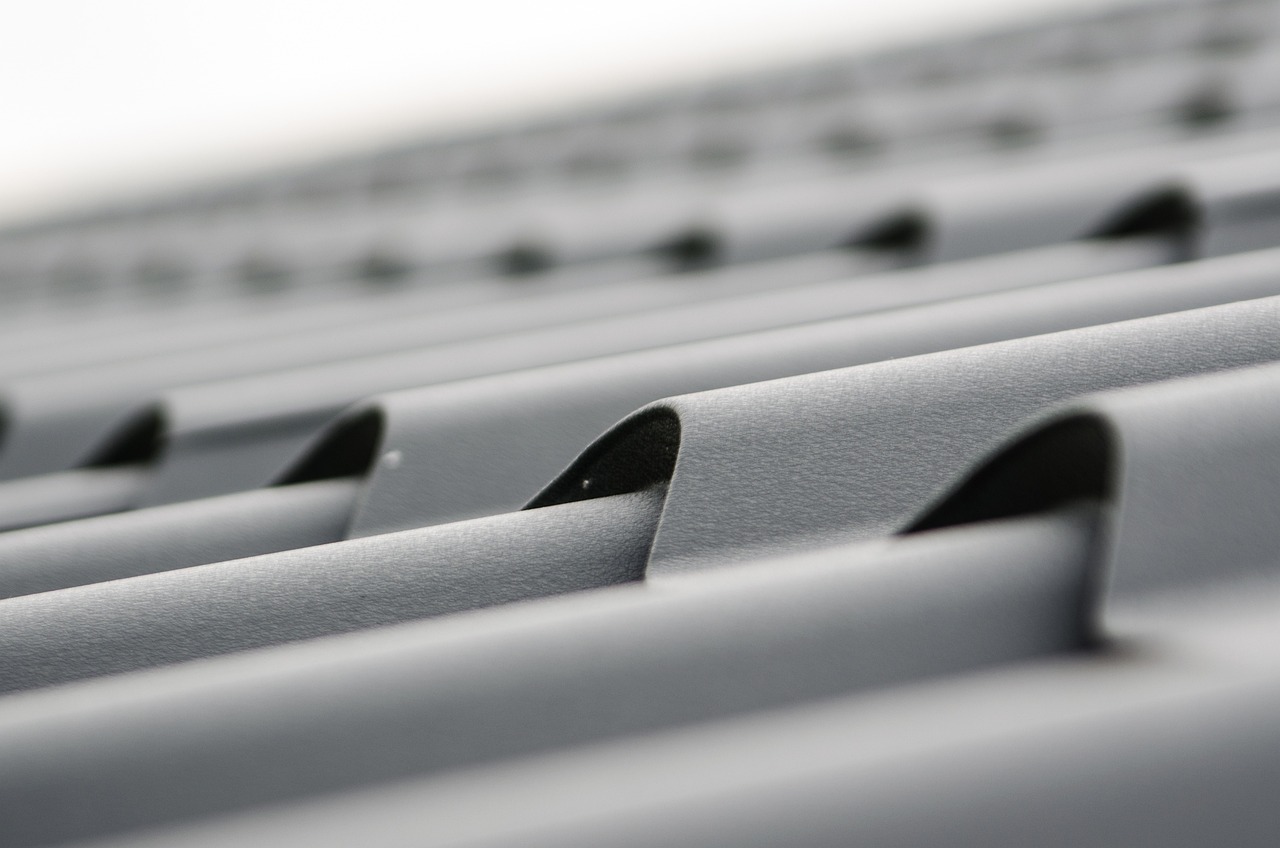
Tampa's building codes for roof ventilation are designed to ensure optimal air quality, especially in the region's hot summers. These regulations are critical for maintaining a healthy living environment in Tampa homes, addressing specific concerns related to local climate conditions and building materials. The Tampa roof ventilation compliance guide is a valuable resource for homeowners and contractors alike, detailing the necessary steps for effective ventilation systems.
Compliance with local roof vent regulations is crucial to prevent issues like moisture buildup, which can lead to mold and structural damage. The code specifies minimum venting requirements based on roof area and local climate data. Cost-effective roof vent solutions are available in Tampa, leveraging innovations in ventilation technology to meet these standards while minimizing expenses. Professional installation is recommended to ensure proper functioning and to take advantage of the latest advancements in ventilation systems.
By adhering to these guidelines, Tampa homeowners can enjoy the benefits of improved air quality and energy efficiency. Regular maintenance, as outlined in the compliance guide, is essential to keep ventilation systems in top condition. This includes periodic checks to ensure vents are clear of debris and properly sealed to prevent air leaks. Expert advice from local professionals can provide tailored guidance, ensuring each Tampa home benefits from optimized roof ventilation.
Local Building Codes: A Comprehensive Overview

Tampa's building codes regarding roof ventilation are designed to ensure both the safety and comfort of residents in this hot summer climate. The local regulations are comprehensive, addressing everything from installation to maintenance, with a specific focus on improving indoor air quality. These codes are a critical aspect of home ownership in Tampa, guiding how roof ventilation systems are implemented and maintained.
The building codes mandate specific criteria for roof ventilation, such as the number of vents required based on the roof area and the type of roofing material used. They also outline the dimensions and placement of vents, ensuring they are adequately spaced to facilitate proper air flow. For installation, the codes emphasize the need for professional expertise, advocating for skilled contractors to ensure the work is done correctly. This includes proper sealing to prevent leaks and ensure the system functions optimally year-round.
Same-day roof vent installation Tampa services are available, highlighting the city's commitment to efficient ventilation solutions. These quick-turnaround services are ideal for urgent situations or when a vent becomes damaged due to severe weather events. Regular maintenance is also crucial, and Tampa roof vent maintenance tips encourage homeowners to inspect vents at least twice a year. Common issues include blockages from debris or mold growth, so keeping vents clear and clean is essential. Regular maintenance not only extends the life of the ventilation system but also ensures optimal performance during the hot summers.
The codes also incorporate innovative solutions to adapt to Tampa's unique challenges, such as integrating solar-powered vents or advanced smart home technology. These innovations ensure that residents have access to advanced ventilation methods while adhering to safety standards. By following these local building codes, Tampa homeowners can enjoy comfortable indoor environments, knowing their roofs are properly ventilated and compliant with regulations.
The Role of Ventilation in Building Design
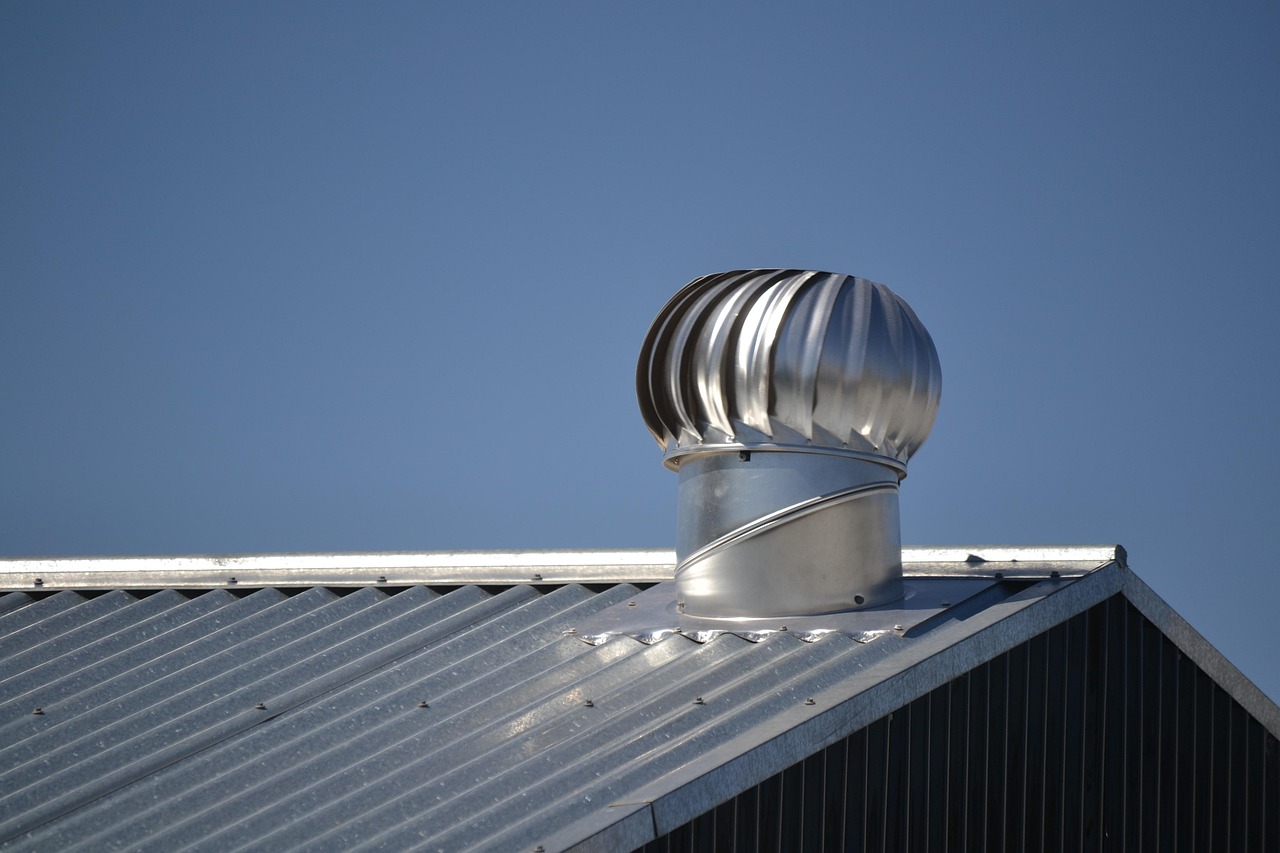
The role of adequate ventilation in building design is an often-overlooked yet critical aspect of any structure, especially in the context of Tampa's climate. With hot summers and high humidity, proper ventilation is essential to maintain air quality, comfort, and the structural integrity of Tampa homes. Tampa roof ventilation systems play a pivotal role in achieving these goals, ensuring that indoor air is fresh, dry, and free from pollutants.
In the design and construction of Tampa residences, paying meticulous attention to roof ventilation can prevent a myriad of issues. Without proper ventilation, excess moisture can accumulate in the attic, leading to the growth of mold and mildew, which not only compromises air quality but also damages the building's framework over time. Certified roof ventilation contractors in Tampa emphasize the importance of installing the right systems to mitigate these risks. The most common and effective methods include the use of ridge vents, soffit vents, and exhaust fans strategically placed to facilitate the flow of air throughout the attic and roof space.
Tampa's building codes reflect the city's commitment to ensuring safe and healthy living environments. These codes mandate specific guidelines for roof ventilation, outlining the type, placement, and performance standards for ventilation systems. Adhering to these codes is not only a legal requirement but also ensures that Tampa residents benefit from reliable, efficient, and safe roof ventilation solutions. In cases of emergency or damage, prompt tampa emergency roof vent repair is crucial to prevent further complications. Homeowners and builders alike should familiarize themselves with these codes and consult with professional contractors to implement the best ventilation strategies, ensuring the longevity and comfort of Tampa homes.
Tampa's Standards for Effective Roof Ventilation
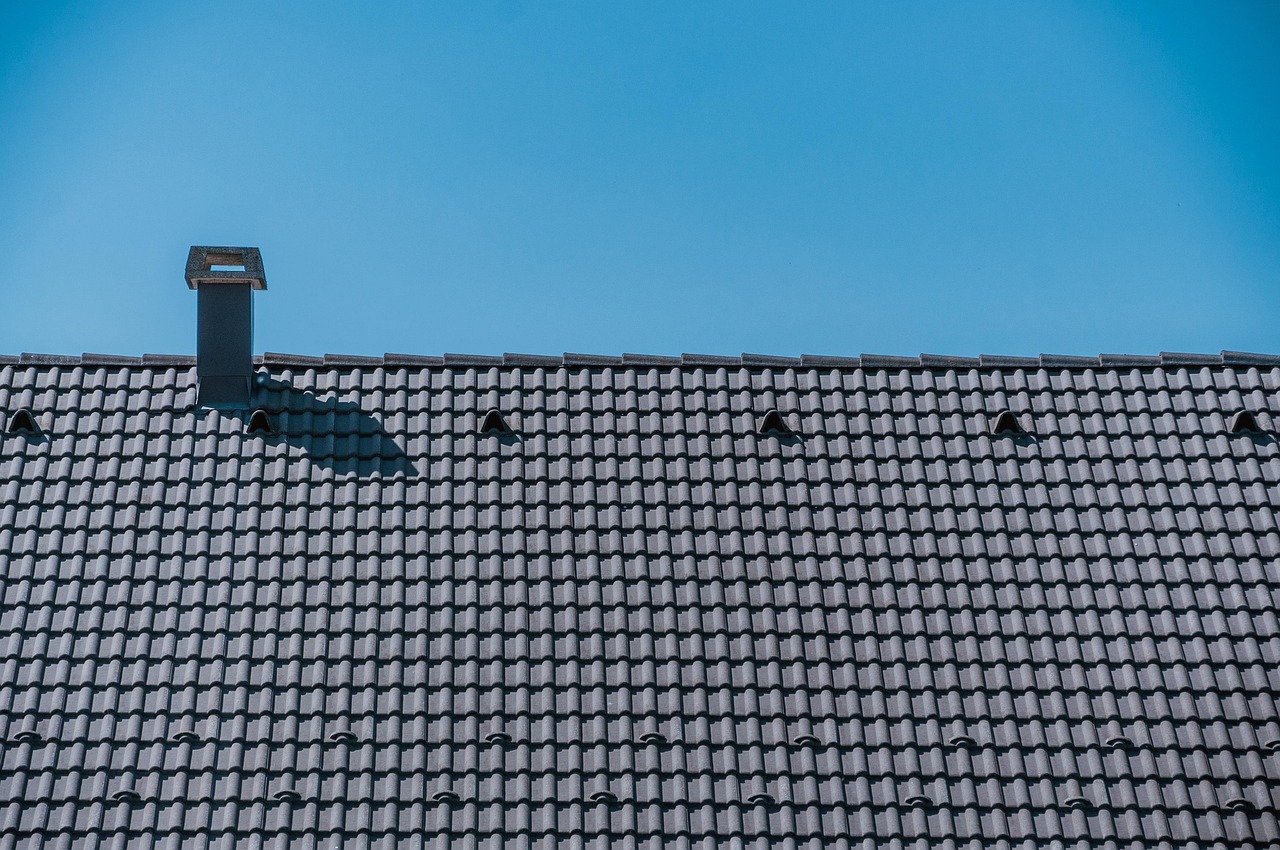
Tampa's building codes for roof ventilation are designed to ensure effective air circulation and optimal indoor air quality, especially considering the region's hot summers. The standards focus on preventing heat build-up and moisture issues, common problems in many Tampa homes. To achieve this, the codes mandate specific ventilation systems and installation practices. Most roofs in Tampa require a combination of ridge vents and soffit vents, which work together to draw in fresh air from the lower levels and expel stale air from the attic.
Certified roof ventilation contractors in Tampa play a crucial role in ensuring these systems are installed correctly. They follow checklists that align with the building codes, examining factors like the type of roofing material, the overall design of the roof, and local weather patterns. Regular cleaning is also essential to maintain the efficiency of these systems, a task often handled by specialized Tampa roof vent cleaning specialists. They address any blockages or debris buildup that could restrict airflow, a common issue in areas with dense vegetation or high winds.
When considering Tampa roof ventilation, it's essential to read reviews from satisfied homeowners to gauge the quality of service provided. The right contractor or cleaning specialist should offer expert advice tailored to your specific property, ensuring compliance with local building codes. They might recommend additional measures to mitigate extreme summer heat, such as reflective roofing materials or solar-powered ventilation systems. By adhering to these standards and seeking professional guidance, Tampa residents can maintain comfortable indoor environments while meeting the city's building code requirements.
Key Components: Vent Types and Installation
Tampa's building codes play a crucial role in ensuring proper roof ventilation, which is vital for maintaining air quality in our region's hot summers. For the key components of roof ventilation systems, there are several vent types to consider, each with its unique application. Ridge vents are designed to capture and escape hot air, while soffit vents allow cool air to enter the attic space. The choice of vent type depends on the specific needs and design of the Tampa home.
Professional roof ventilation installation in Tampa is a specialized service. Skilled contractors understand the local building codes and the best practices for ensuring adequate airflow. A same-day roof vent installation is possible when the necessary materials and assessments are in place, offering a quick solution for improving air quality. However, this process requires expert knowledge to avoid potential issues. The experienced Tampa roof vent repairman is adept at handling both new installations and repairs, ensuring the system functions optimally.
During installation, a checklist of factors should be considered: local building code compliance, vent placement for optimal air flow, and the selection of durable materials resistant to the region's climate. Regular maintenance is equally important, involving inspections to ensure vents are clear of debris and functioning efficiently. By adhering to these guidelines, Tampa homeowners can enjoy improved indoor air quality and energy efficiency, mitigating the impacts of our region's hot summers.
Best Practices for Ensuring Adequate Airflow
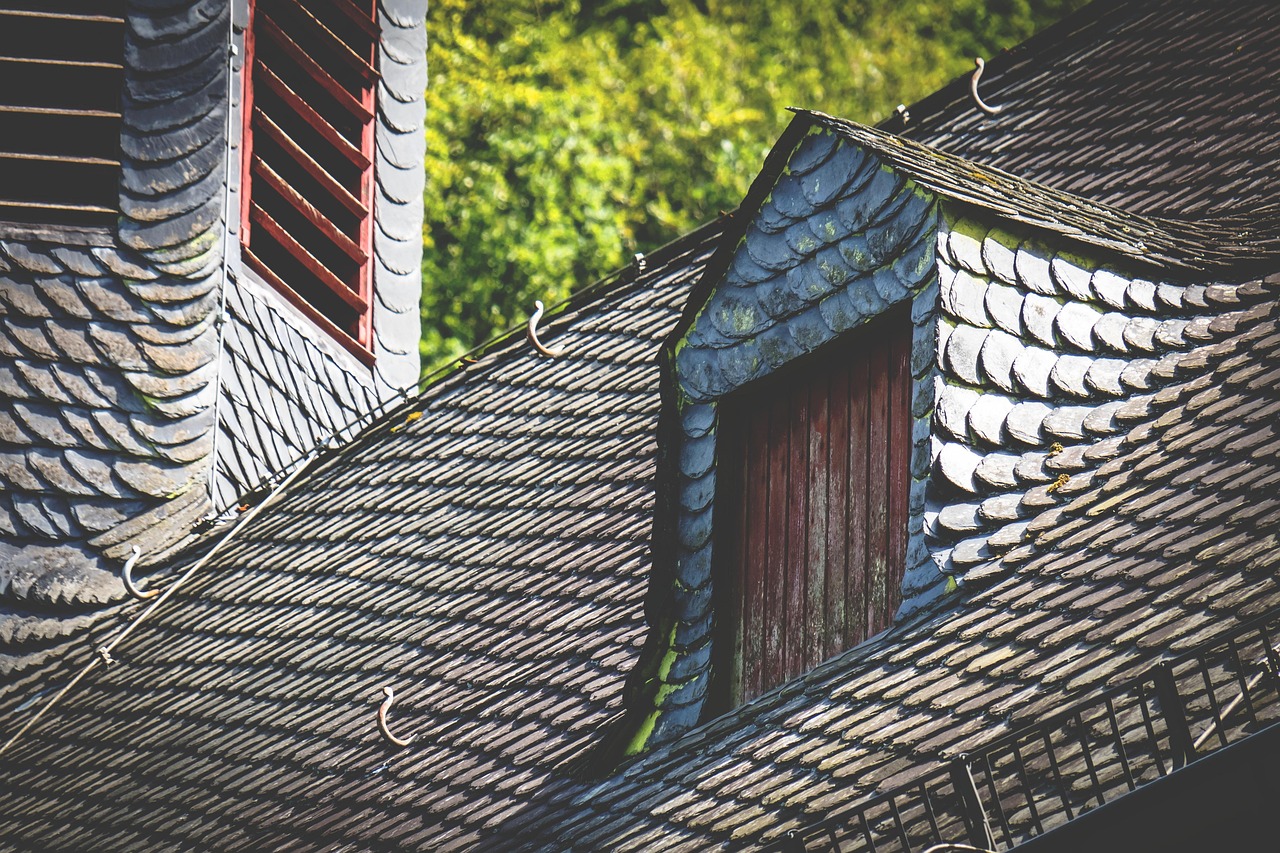
Ensuring adequate airflow in a Tampa home, particularly during the hot summers, is paramount for both indoor comfort and air quality. At the heart of this is proper roof ventilation, a critical component often overlooked in construction and renovation projects. Tampa's building codes specifically address roof ventilation to mitigate moisture issues and promote energy efficiency.
A well-designed roof ventilation system can prevent the buildup of excess humidity, which not only improves air quality but also reduces the risk of mold growth and wood rot. Cost-effective roof vent solutions in Tampa can be implemented in a variety of ways, from ridge vents and soffit vents to wind turbines. The key is to create a continuous flow of air that pushes out stagnant air and draws in fresh outdoor air. When selecting or designing a ventilation system, consider the specific needs of the building, including its size, shape, and orientation. Experts recommend inspecting the roof structure and surrounding area to identify potential blockages, such as tree branches or debris, that could hinder airflow.
Regular maintenance is another best practice. Tampa roof vent cleaning specialists recommend a yearly inspection to ensure vents remain clear and unobstructed. Debris buildup can significantly reduce airflow, negating the benefits of a well-installed system. Flat roof ventilation experts in Tampa suggest implementing additional measures for buildings with low-sloped or flat roofs. These roofs can be more prone to moisture issues, so incorporating a durable and efficient ventilation system is crucial. By following these best practices, Tampa homeowners can ensure their roofs are effectively vented, contributing to a healthier, more energy-efficient home environment.
Common Mistakes to Avoid During Installation
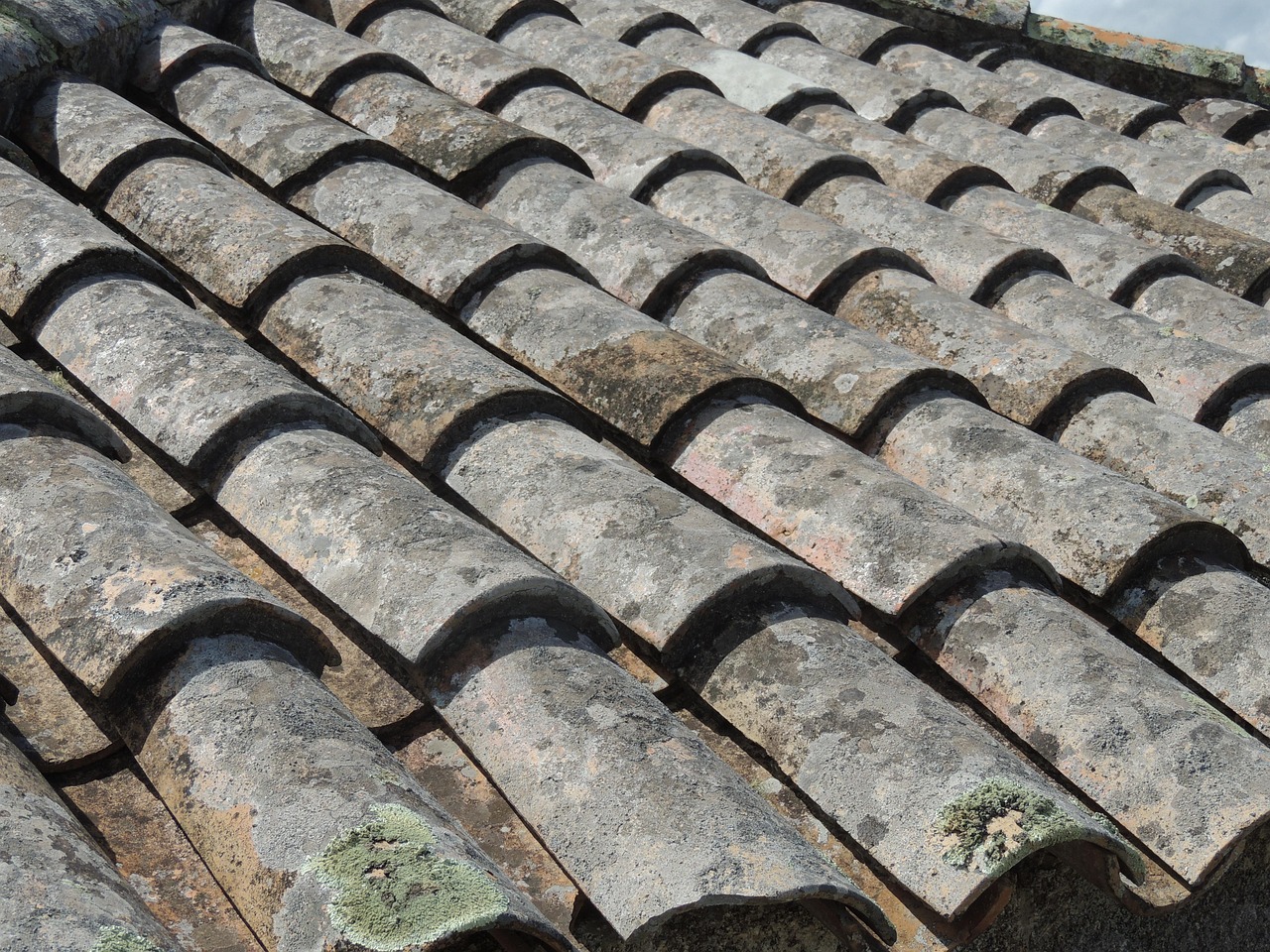
For Tampa roof ventilation installation, avoiding common mistakes is crucial for a functional and efficient system. One of the most frequent errors is inadequate planning and sizing. Often, homeowners or contractors underestimate the required ventilation area based on the roof size, leading to insufficient airflow. This can be especially problematic during Tampa's hot summers, where proper ventilation is essential to maintain air quality inside the home. A simple checklist, including details on local building codes and recommended ventilation square footage per square foot of living space, can help guide the process.
Another mistake to avoid is improper installation techniques. Haphazard or substandard workmanship can result in leaks, reduced airflow, or even structural damage over time. Using the wrong materials, like non-code-compliant vents, or failing to follow manufacturer guidelines, can compromise the entire system. It's advisable to seek expert advice from a professional installation service with experience in Tampa roof ventilation. These specialists can ensure the work meets local building codes and offers 24/7 repair services for any unforeseen issues. They can recommend the appropriate vent type, placement, and size for your specific Tampa home, ensuring optimal airflow while considering the local climate and building codes.
Regular maintenance is often overlooked, yet it's a critical aspect of Tampa roof ventilation. Dust, debris, and even animal nests can obstruct vents, hindering airflow. Hiring a Tampa roof vent cleaning specialist to perform routine maintenance checks and cleanouts is essential. This prevents potential clogs and ensures the system operates at peak efficiency. Remember, proper ventilation contributes not only to a comfortable indoor environment but also to the longevity of your roof and the structural integrity of your Tampa home.
The Impact of Natural Design on Ventilation Efficiency
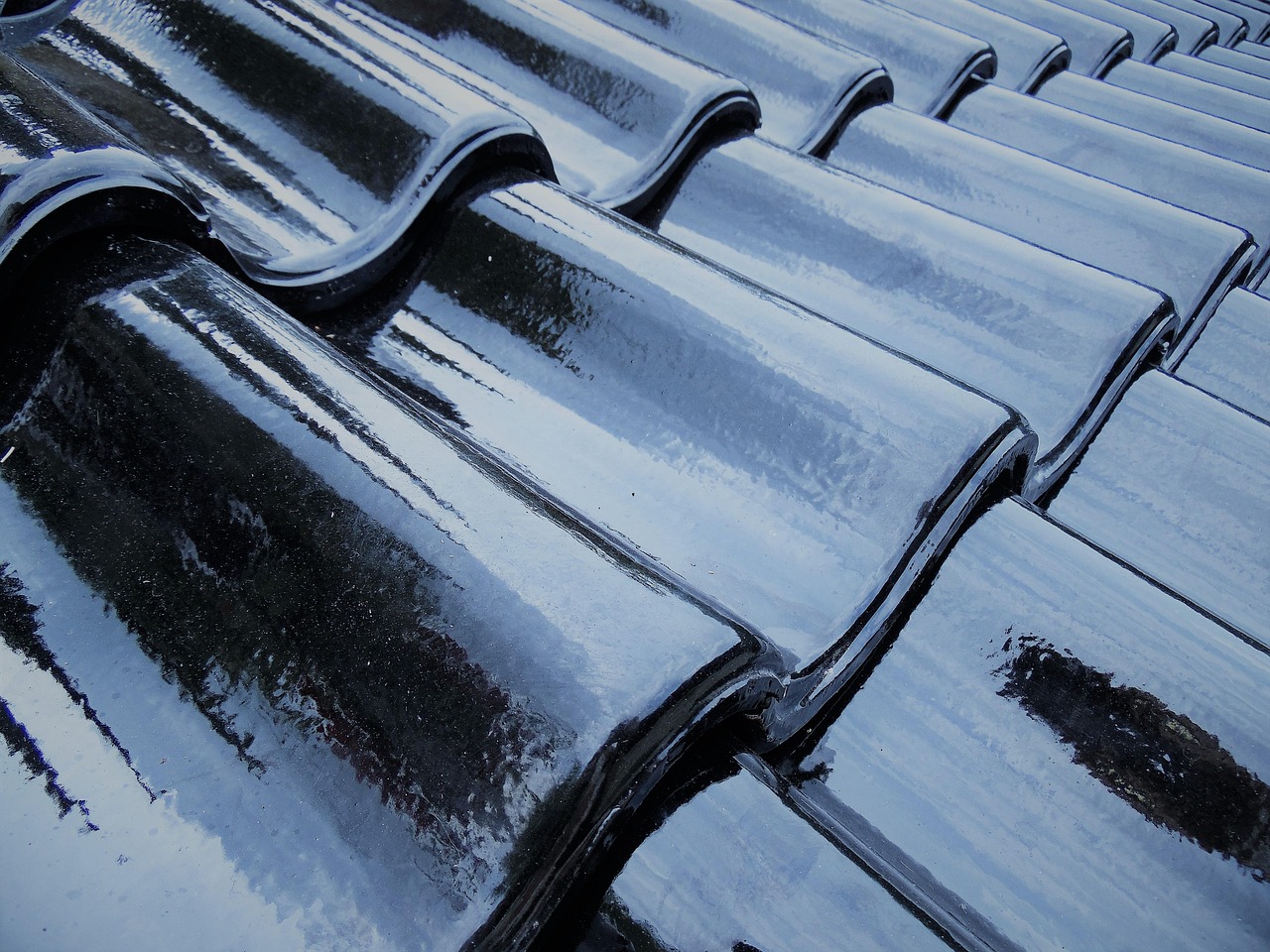
The design of a building's roof can significantly impact its overall ventilation efficiency, especially in a city like Tampa where hot summers are the norm. Natural design principles, when incorporated into roofing systems, can enhance air circulation and improve indoor air quality in Tampa homes. This is where Tampa roof ventilation naturally comes into play, offering both aesthetic and functional benefits.
The strategic placement of roof openings, such as vents and chimneys, can create cross-ventilation, allowing for the natural movement of air. This design element is particularly effective in flat roofs, which are common in many Tampa neighborhoods. Experts from nearby roof ventilation services Tampa have noted that properly sized and positioned vents can reduce indoor temperature, thereby lowering cooling costs. A well-designed roof ventilation system can draw in cool evening air, displacing warm indoor air and providing a refreshing indoor environment without relying heavily on air conditioning.
Professional roof ventilation Tampa installations also consider the building's orientation and surrounding structures. Shading devices, like overhangs or awnings, can be engineered to block solar gain during the hottest parts of the day while still allowing for adequate ventilation. This balanced approach leverages natural design to mitigate extreme indoor temperatures, enhancing both comfort and energy efficiency. By embracing these principles, Tampa homeowners can achieve optimal roof ventilation, ensuring a healthier and more sustainable living environment.
Frequently Asked Questions About A Deep Examine Tampa's Building Codes for Roof Ventilation
What are Tampa's building codes for roof ventilation?
Tampa's building codes for roof ventilation establish minimum requirements to ensure proper air circulation and temperature control within buildings. These codes dictate the design, installation, and maintenance of roof ventilation systems to mitigate issues like heat build-up, moisture accumulation, and structural damage. The primary goal is to maintain a balanced indoor environment, enhancing energy efficiency and occupant comfort.
Why is roof ventilation important in Tampa?
Tampa's climate, characterized by hot and humid summers, necessitates effective roof ventilation to combat the heat island effect. Adequate ventilation reduces indoor temperatures, lowering cooling costs and enhancing the overall comfort of building occupants. It also helps prevent moisture buildup, which can lead to mold growth and structural damage, common issues in humid climates.
What types of roof ventilation are required in Tampa?
Tampa's building codes mandate several types of roof ventilation, including:
- Soffit ventilation: Air intake vents installed under the eaves of the roof.
- Rooftop venting: Exhaust vents located on the roof to expel hot air and moisture.
- Ridged caps: Metal or other materials installed on roof peaks to promote air flow.
- Wind turbines: In certain cases, these mechanical devices can assist in natural ventilation.
The specific requirements vary based on building size, design, and intended use.
How do I know if my roof ventilation meets Tampa's codes?
To ensure compliance with Tampa's building codes, consult with a licensed contractor familiar with local regulations. They can assess your roof ventilation system, making sure it meets the following:
- Adequate venting area
- Correct placement of vents
- Proper sizing and type of ventilation components
- Effective insulation and sealing to prevent air leaks
Who enforces Tampa's building codes for roof ventilation?
Enforcement of Tampa's building codes, including roof ventilation requirements, is typically handled by the local building department. This department reviews building plans, conducts inspections, and issues permits for construction and renovation projects. Non-compliance with ventilation codes can result in fines and project delays.
What happens if my roof ventilation system isn't up to code?
If your roof ventilation system fails to meet Tampa's building codes, you may face:
- Building permits being denied: Projects relying on inadequate ventilation cannot proceed without approval.
- Fines and penalties: Non-compliance can incur monetary penalties, levied by the building department.
- Structural damage: Inadequate ventilation can lead to long-term structural problems within the building.
- Health issues: Poor air quality caused by inadequate ventilation can negatively impact occupant health.
Tampa's building codes for roof ventilation offer a roadmap to improving air quality and comfort in local homes, especially during the hot summers. By understanding and adhering to these standards, homeowners and contractors can ensure effective ventilation systems that enhance structural integrity and indoor living conditions. Key takeaways include the importance of professional installation, the selection of appropriate vent types, and best practices for maintaining adequate airflow.
The article highlights the critical role of roof ventilation in building design, showcasing how natural design innovations can boost efficiency. By avoiding common mistakes and utilizing the latest advancements, Tampa residents can take practical steps to optimize their home's ventilation. This deep examine local building codes empowers readers to make informed decisions, ensuring their Tampa roof ventilation meets the highest standards of quality and performance.
Tampa Roof Ventilation: Essential Guide for Homeowners
Tampa's building codes mandate effective roof ventilation to combat moisture, improve air quality, and enhance energy efficiency. Compliance involves understanding vent types, local climate data, and professional installation. Regular maintenance, including vent cleaning and inspections, is crucial for optimal performance. Same-day installation services are available, but expert guidance is essential for code-compliant, efficient ventilation. Natural design principles, such as strategic vent placement, further enhance ventilation efficiency, offering both aesthetic and functional benefits.